




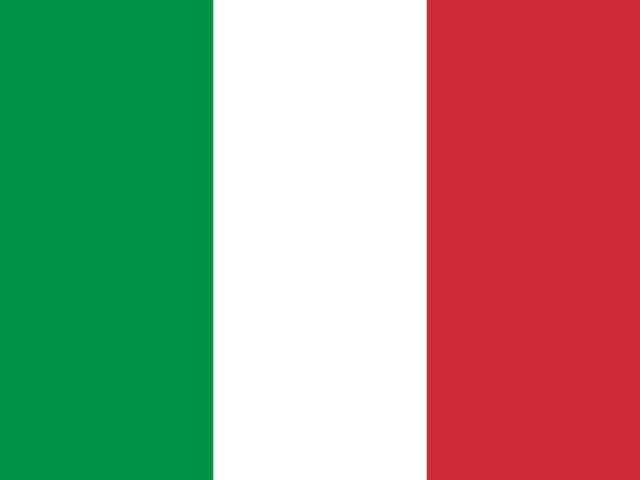
Italy
Italy packs more world-famous sights into one country than almost anywhere else: Roman ruins, Renaissance cities, Venice on its lagoon, Alpine lakes and some of the most beautiful coastlines in Europe. It is easy to travel by fast train, safe for most visitors, and rewards anyone who looks beyond the big three cities
Best places to visit in Italy
Top things to see in Italy
Florence
the cradle of the Renaissance, with the Uffizi, the Duomo and Michelangelo’s David
Venice
canals, Byzantine mosaics and quiet lagoon islands beyond the crowds of San Marco
Amalfi Coast
cliffside villages, lemon groves and boat trips between Positano, Amalfi and Ravello
Cinque Terre
five colourful fishing villages linked by coastal trails and a scenic train
Lake Como
grand villas, gardens and ferry hops between Bellagio, Varenna and Menaggio
Tuscany countryside
hill towns like Siena, San Gimignano and Montepulciano among vineyards
Sicily
Greek temples, Mount Etna, baroque towns and some of Italy’s best food
The Dolomites
jagged peaks for summer hiking and winter skiing, a UNESCO World Heritage site
Puglia
whitewashed towns, trulli houses in Alberobello and the baroque city of Lecce
Regions & highlights
North
Milan, the Italian lakes, the Dolomites, Venice and the food capital Bologna
Liguria
the Italian Riviera: Cinque Terre, Portofino and the port city of Genoa
Central Italy
Rome, Tuscany with Florence and Siena, Umbria and the Marche
The South
Naples, Pompeii, the Amalfi Coast, Capri, Puglia and Basilicata with Matera
The islands
Sicily and Sardinia, each with its own culture, beaches and cuisine
Safety & danger zones
Overall level 2/4: Exercise increased caution
Pickpockets
the most common problem for visitors. Watch your bags on crowded metros and buses in Rome, Milan and Naples, at Termini and Milano Centrale stations and around major sights
Terrorism risk
the US State Department rates Italy Level 2 (Exercise increased caution) because of the general terrorism risk in Europe. Expect visible security at major sights and events
Tourist scams
friendship bracelets, petitions and “helpers” at ticket machines. Say no firmly and use only official ticket counters and machines
Strikes (sciopero)
rail, air and local transport strikes are frequent but announced in advance. Check the official strike calendar before travel days
Natural hazards
Etna and Stromboli are active volcanoes with access rules; parts of Italy are earthquake zones, and summer heatwaves and wildfires are increasingly common
Coastal and mountain safety
respect red flags at beaches and check weather and hut conditions before hiking in the Alps and Dolomites
Practical info
Entry
Italy is in the Schengen area. Non-EU visitors are now registered in the EU Entry/Exit System (EES) at the border, and ETIAS pre-registration for visa-exempt travellers is planned. Check current rules before you go
Money
the euro. Cards are widely accepted, but carry some cash for small cafés, markets and rural areas
City taxes
most hotels add a local tourist tax per person per night, paid at the property
Trains
Frecciarossa and Italo high-speed trains link the main cities. Validate regional tickets before boarding
ZTL zones
historic centres are limited traffic zones. Driving in without a permit brings automatic fines, often months later via the rental company
Dress codes
cover shoulders and knees to enter churches, including St Peter’s Basilica
Power
230 V, plug types C, F and L
Emergency
call 112
When to go
Spring (April–June)
the best overall time: mild weather, flowers and long days, though Easter is busy
Summer (July–August)
hot, crowded and expensive on the coasts; many Italians holiday in August
Autumn (September–October)
warm sea, grape harvest and fewer crowds than summer
Winter (November–March)
quiet, cheaper cities and ski season in the Alps and Dolomites
Culture & etiquette
Italy runs on rituals: espresso standing at the bar, a slow lunch, the evening passeggiata stroll and aperitivo before dinner. Lunch is often the main meal and many shops close for a break in the early afternoon, especially in the south.
Greet people with buongiorno or buonasera. Cappuccino is a morning drink, tipping is modest (rounding up is fine, a coperto cover charge is common), and dinner rarely starts before 8 pm. Each region is proud of its own dialect, food and traditions, so expect a very different Italy in Milan, Naples and Palermo.
FAQ
Is Italy safe for tourists?
Yes, Italy is safe for most visitors. The main risk is pickpocketing in crowded places. The US rates Italy Level 2 because of the general terrorism risk in Europe.
How many days do I need in Italy?
Ten days covers Rome, Florence and Venice at a comfortable pace. Two weeks lets you add the Amalfi Coast, Cinque Terre or the lakes.
Do I need cash in Italy?
Cards work almost everywhere, but small amounts of cash are useful for cafés, markets, tips and rural areas.
Is it worth renting a car?
Not for the big cities, where trains are faster and ZTL zones bring fines. A car is ideal for Tuscany, Puglia, Sicily and the Dolomites.
When is Italy cheapest?
November to March, outside Christmas and ski weeks, has the lowest prices for flights and hotels.
Last checked: